Universidade Portucalense – Infante D. Henrique

Universidade Portucalense Infante D. Henrique is a cooperative higher education and scientific research establishment

News

Scientists discuss Artificial Intelligence

On 11 October, Universidade Portucalense will welcome three leading Portuguese scientists to discuss the advances, challenges, and implications of Artificial Intelligence, in the debate “Artificial Intelligence: Generative or Degenerative?”, at 2.30pm, in auditorium 201.

Portucalense Business School: Executive Education

We believe that we must work alongside professionals and companies throughout the professional cycle, establishing strong partnerships that help to meet the challenges arising from the daily transformations of the market, from an innovative, creative, and differentiating perspective, while having a sustainable impact on organisations For this reason, Portucalense Business School seeks to build advanced training programmes according to the needs of each time and each sector. We focus our work on six main areas of expertise: Law, Economics and Management, Science and Technology, Architecture and Urban Planning, Psychology and Education, and Tourism, Heritage, and Culture. This allows us to design interdisciplinary, innovative training programmes with a strong applied component. Our proximity to companies is the key that allows us to respond to professionals, by offering executive training programmes that respond to the latest market trends, and to companies, through customised programmes, built in partnership, that respond to the specific needs of each organisation. We believe in the innovative and inspiring power of knowledge! Portucalense Business School Inspiring Your Career See training offer.

Conferences of the Castle

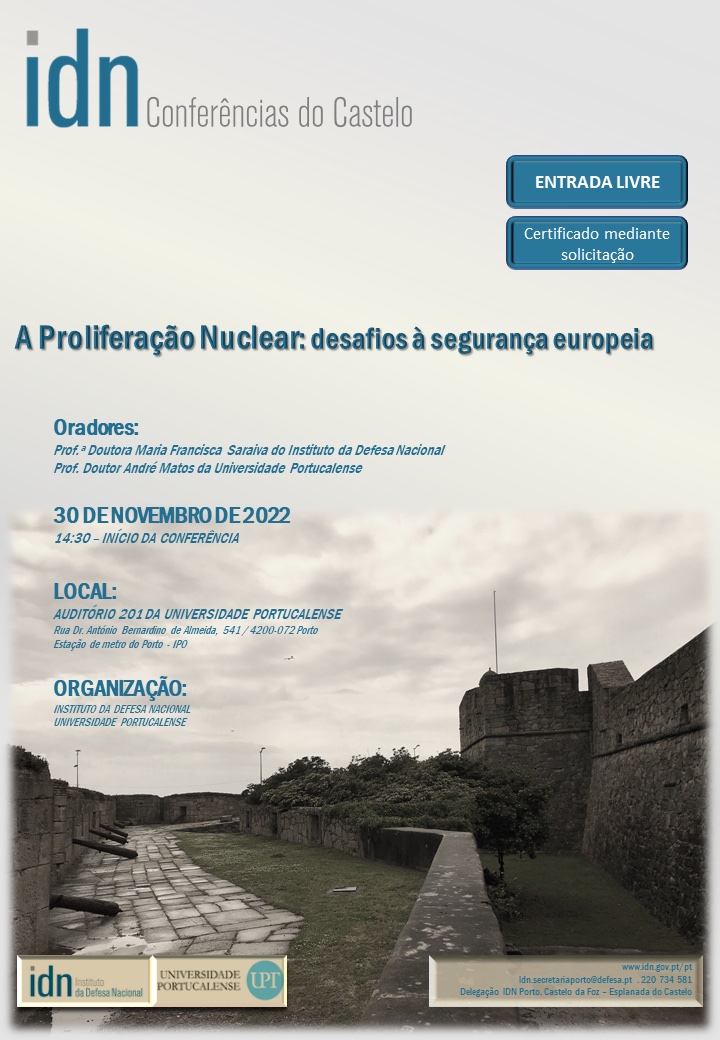
On the 30th of November, at 2:30pm, Portucalense University hosts the Conference of the Castle under the theme “Nuclear Proliferation: challenges to European security”, in the 201st auditorium.

The influence of visual environments on learning

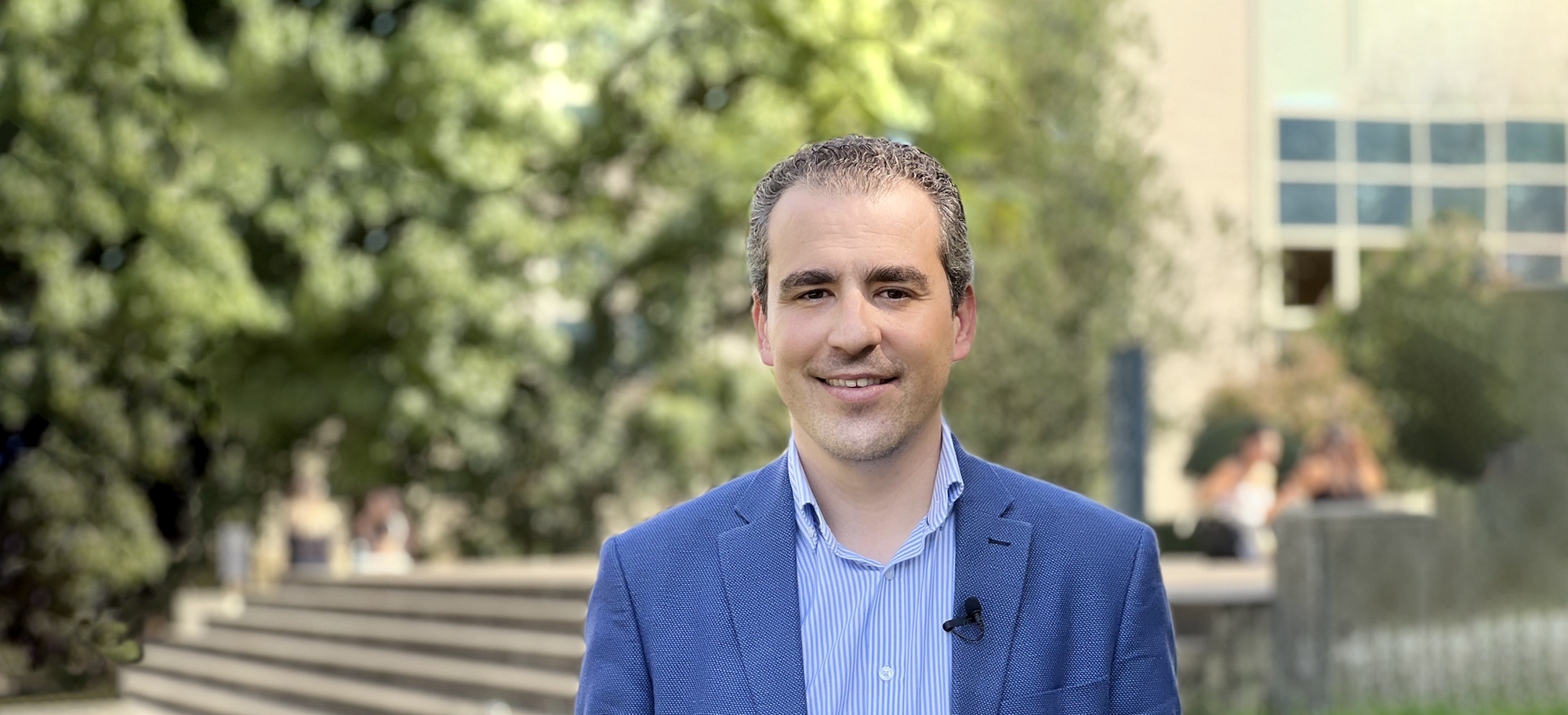
Video Pedro Rodrigues, Researcher at Portucalense Institute for Human Development, presents the project “VisEnLearn” which aims to “explore the influence of (ir)relevant visual environments on the learning of school children”. School-age children are continuously exposed to classrooms with several visual elements, such as drawings, maps and graphs, placed on the wall, which aim to stimulate learning. In this context, the central question of this line of research is: “What is the influence of visual content exposed in the surrounding environment of the classroom on children’s learning gains, specifically when this content is related versus unrelated to the information to be learned? “Exposure to visual materials in the surrounding environment, particularly in school-age children, may compete for cognitive resources, namely attentional, but this is still an assumption that needs scientific evidence, to which this line of research aims to contribute”, says Pedro Rodrigues. The researcher indicates that this line differs from other studies in several aspects, in that, “besides comparing the performance between a non-decorated and a decorated environment, it also manipulates the characteristics of the information presented. In addition, the participants’ learning of the taught information will be tested immediately and one week later”.  “This is an important aspect, since some learning strategies may not have immediate effects, but are rather explained by the testing effect. Finally, our manipulations will be implemented in real classrooms and not in a laboratory, as happened in the work of Fisher and collaborators (2014), or on a platform as in Rodrigues and Pandeirada (2018),” he explains. This line of research could provide important results for educational practices, being a starting point for other new studies to find an ideal point of visual communication in classrooms.

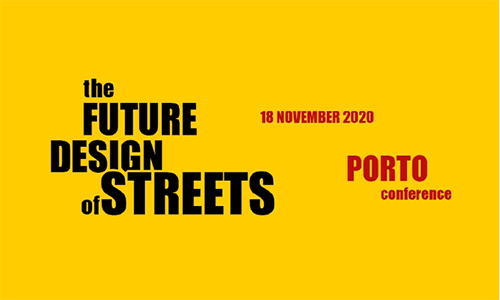
Conference on the study and design of city streets

On 18th November, Portucalense University promotes the first international conference “The Future Design of Streets”, in Porto, with the purpose of sharing views on the challenges facing the design of streets and the city. The aim of the conference, which will be held at the headquarters of ANJE, is to discuss the visions of future that respond to the diversity and complexity of urban life, the evolution of mobility solutions and the major environmental issues expressed in the objectives for sustainable development established by the United Nations. The conference will feature interventions from European architects and urban planners with relevant practice in the study and design of streets. The platform ‘the Future Design of Streets’, which is organizing the conference, is coordinated by Daniel Casas Valle (‘Urban Designer and Planner’) and Ivo Oliveira (architect), with the support of the Department of Architecture and Multimedia Gallaecia of Portucalense University, the School of Architecture, Art and Design of the University of Minho and the Faculty of Architecture of the University of Porto.

Scroll to top