Universidade Portucalense – Infante D. Henrique

Universidade Portucalense Infante D. Henrique is a cooperative higher education and scientific research establishment

News

European students gather at Universidade Portucalense

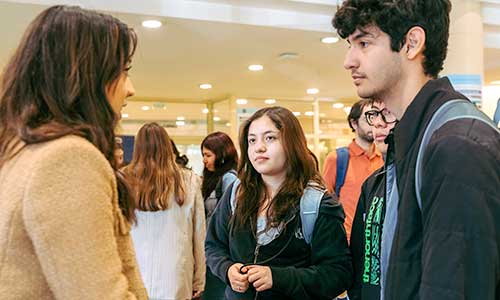
Universidade Portucalense welcomed students from Università di Parma (Italy), Estonian Business School (Estonia), and Grenoble École de Management (France) as part of the Blended Intensive Programme (BIP) on “International Sustainable Management: Business Planning and Reporting” between 24 and 28 November.

Legal research strengthens dialogue between academia and professional practice

The Instituto Jurídico Portucalense (IJP) reinforces its presence in legal scientific production with the launch of the book “Processos da Competência do Ministério Público e das Conservatórias do Registo Civil” (Processes under the Jurisdiction of the Public Prosecutor’s Office and Civil Registry Offices). Coordinated by Lurdes Varregoso Mesquita (IJP) and Rossana Martingo Cruz (JusGov), the publication presents an in-depth and applied reading of Decree-Law No. 272/2001, establishing itself as a relevant scientific contribution to understanding and improving the work of the Civil Registry Offices and the Public Prosecutor’s Office. The work brings together contributions from various experts and offers a practical, critical, and up-to-date analysis of the challenges faced by public institutions, reinforcing the importance of a constant dialogue between academic research and legal practice.

New academic and scientific cycle

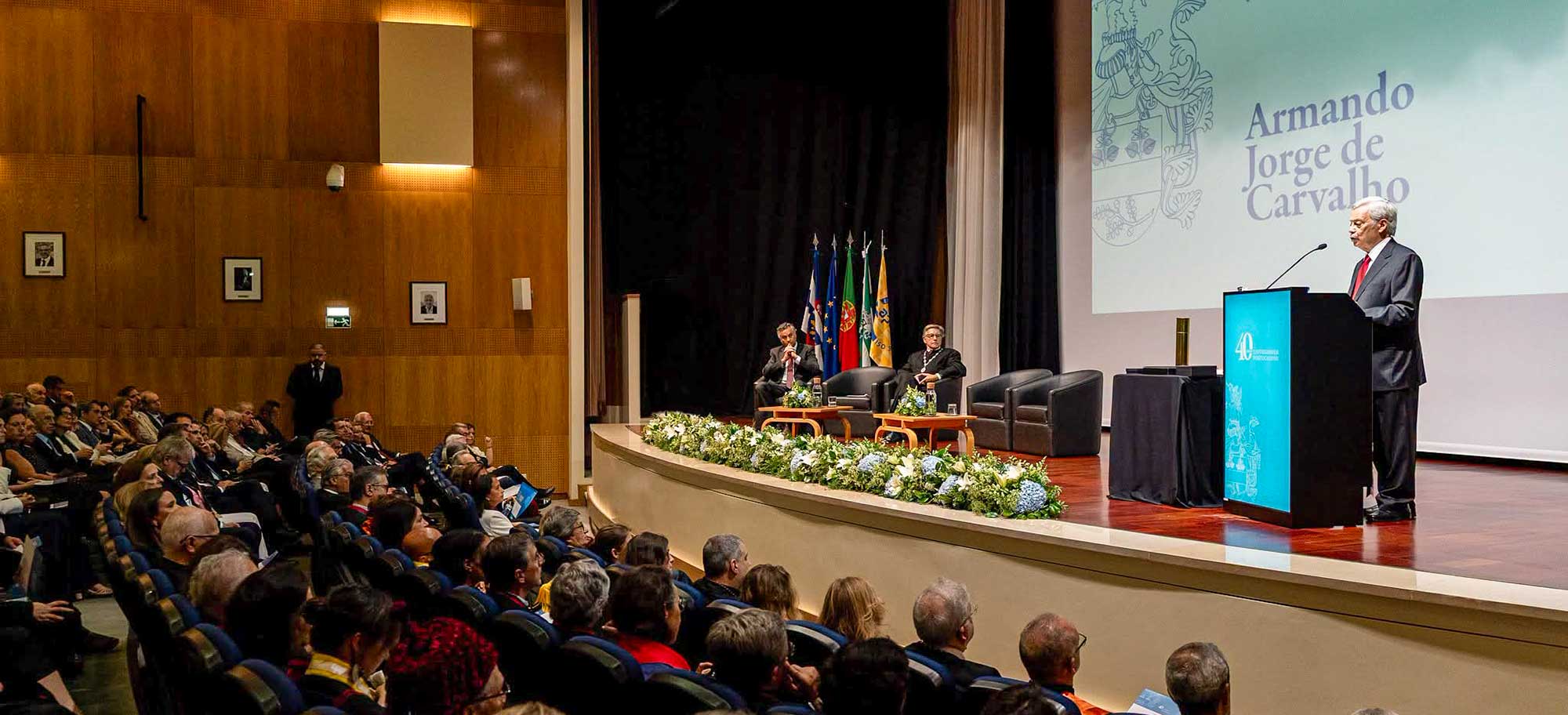
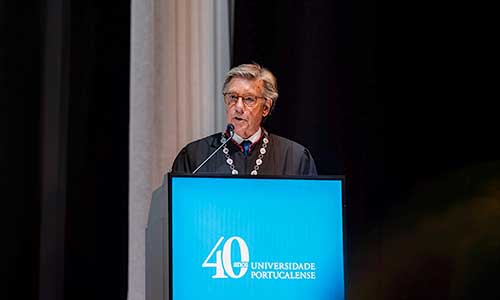
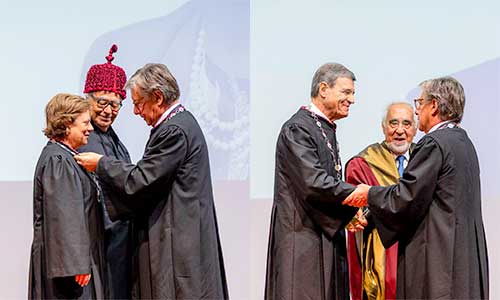
On 7 November, Universidade Portucalense began a new cycle of academic and scientific leadership with the inauguration of the Rectorate and the Directorates of the Departments and Research Units. The ceremony was presided over by the Chair of the Board of Directors, Armando Jorge de Carvalho, and it marked the start of a four-year term focused on strengthening institutional strategy, promoting research, and affirming the University’s position in the higher education landscape. The Rectorate took office, led by Rector Fernando Ramos, Vice-Rector for Education, Elizabeth Real, and Vice-Rector for Research, Jorge Leite. The Department Directors took office as follows: Fernanda Rebelo (Law), João Carvalho (Economics and Management), Paulo Morais (Science and Technology), Isabel Freitas (Tourism and Cultural Heritage), Alexandra Araújo (Psychology and Education), and Mariana Correia (Architecture and Multimedia Gallaecia). For the research units, Maria Manuela Magalhães was appointed to the Instituto Jurídico Portucalense (IJP); Luís Pacheco to REMIT – Research on Economics, Management and Information Technologies; and Óscar Gonçalves to CINTESIS.UPT – Centre for Research in Health Technologies and Services (UPT Hub).  During the event, Armando Jorge de Carvalho emphasised that “this new management cycle involves new challenges and new undertakings” but he also stressed that it is equally “important to know how to maintain or even improve everything that has been achieved so far,” valuing the University’s growth and development in recent years. He went on to emphasise that “in the short term, the priority is to strengthen the internationalisation of research, promote the development of new doctoral programmes while consolidating existing ones, as well as reassess the study programmes offered in light of a new paradigm and emerging trends.” He added that the reformulation of the internationalisation policy, adjusted to new realities, could lead to a restructuring and strengthening of the internal organisation itself. Armando Jorge de Carvalho emphasised the importance of “believing in the future, cultivating trust, and focusing energies on what is truly important for Portucalense, promoting a culture based on collaboration, dialogue, and internal cohesion.” In his speech, Rector Fernando Ramos presented the six principles that will guide the new term of office.  Internal cohesion was identified as the foundation for uniting efforts, strengthening teams, and ensuring continuity in institutional development. Sustainability emerges as a strategic condition for ensuring the long-term sustainability of the University. Anticipation was referred to as an essential requirement for preparing for the future, requiring vision, timely planning, and the involvement of the entire academic community. Transparency was presented as the basis for clear governance, capable of generating trust and promoting adherence to the decisions taken. Differentiation plays a decisive role in affirming the University’s identity in an increasingly competitive environment. Finally, an interdisciplinary approach is considered an indispensable path to responding to today’s complexity, driving pedagogical, scientific, and social innovation.    

The challenges facing the wine sector

On 16 December, at 2.30 p.m., Universidade Portucalense will host the conference “Is the Portuguese wine sector prepared to face the challenges of the future?”. Marking the 50th anniversary of ANCEVE, the event invites key stakeholders to discuss this rapidly changing industry. The round table will feature Luís Filipe Cardoso Lourenço (ASAE), Francisco Toscano Rico (IVV), Helena Freitas (University of Coimbra), Luís Sequeira (CVRA), Pedro Soares (CVR Bairrada), José Luís Santos Lima Oliveira da Silva (Casa Santos Lima), and Bebiana Monteiro (ESEIG). The discussion will be moderated by António Freitas de Sousa, from Jornal Económico. The event will also feature a speech on geopolitics by Ambassador António Martins da Cruz. At a particularly challenging time for the sector, the conference will reflect on changes in consumer habits, the growing importance of wine tourism, the effects of climate change, and supervision demands.

1st International Congress on Community Intervention and Social Transformation

Universidade Portucalense, in partnership with the Municipality of Amarante and with the scientific support of CINTESIS.UPT@RISE-Health, is organising the 1st International Congress on Community Intervention and Social Transformation. The event is part of the 11th edition of the “Amarante de Igual para Igual” campaign. The event will take place from 5 to 7 November 2025 at the Cineteatro de Amarante. It is intended as a space for meeting, sharing, and innovating, focusing on the emerging challenges in social and community intervention and the development of collaborative strategies for social transformation. 5 November features the pre-congress workshops and the innovative “World Café” activity. This session will bring together professionals from different regions of the country to co-construct ideas and practical solutions applicable to community contexts. The Congress’s themed sessions, round tables, and plenary conferences will be held on 6 and 7 November, led by keynote speakers of national and international renown. Reflections will focus on intervention with families, the promotion of equality, and the cross-cutting nature of community practices in the face of contemporary social challenges. See the event’s page.  

Portucalense with sustained growth

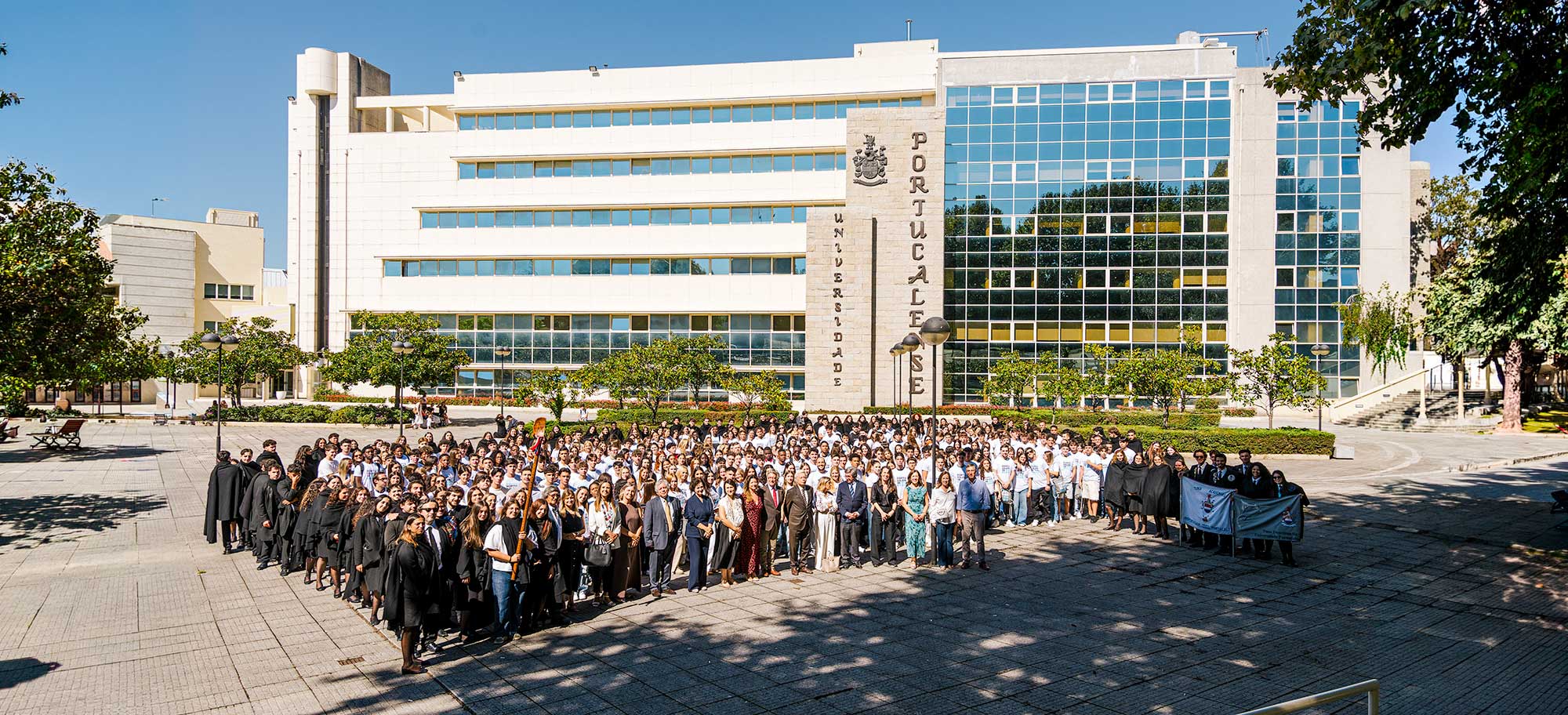
On 10 September, at the Institutional Welcome Session, the Chairperson of the Board of Directors, Armando Jorge de Carvalho, highlighted the sustained growth of the University, which once again recorded an increase in the number of students, despite the 12% reduction in the total number of applicants to Higher Education at national level. For Armando Jorge de Carvalho, this result reflects “the market’s recognition of the work carried out by the academic community, which contributes to strengthening the institution’s prestige.” He also recalled recent achievements, such as the award of the “green lane” regime by A3ES in the process of accrediting study cycles and the “Very Good” evaluation achieved by the University’s four Research Units in the FCT evaluation. Addressing the new students, he emphasised that the road ahead is demanding but also full of opportunities: “It will certainly require a great deal of effort on your part, great resilience, dedication, hard work, and discipline. It’s not always easy to overcome difficulties but every obstacle you overcome will make you stronger, more confident, and better prepared. Such effort will pay off with new knowledge, experiences, and friendships.” He asserted the institution’s commitment to train responsible citizens and competent professionals: “We want you to be active agents in the improvement global society by exercising full and responsible citizenship, becoming committed citizens and exemplary professionals.” He ended with a message of accountability: “The world is currently experiencing times of extreme complexity and instability, with conflicts and crises affecting all sectors of society. These challenges are also reflected in the daily lives of families, on a social, economic, and emotional level. It is in this context that we challenge you to build a solid future, based on knowledge, values, and civic intervention.” In his speech, Rector Fernando Ramos emphasised the institution’s path of affirmation since its foundation in 1986 and the consolidation of its training offer in various areas of knowledge. He recalled the more traditional courses, such as Law, Management, Economics, and Tourism, but also the more recent and expanding areas, such as Architecture, Multimedia, International Relations, and Engineering. He also mentioned the creation of Portucalense Business School in 2023 as an example of the reinforcement of the commitment to advanced and executive training. Fernando Ramos pointed to two of the university’s strategic pillars: the promotion of scientific research and pedagogical innovation, which involves the adoption of active learning methodologies and the incorporation of the latest digital technologies, including generative artificial intelligence. “Our aim is clear: to ensure that our students’ education is on a par with the best in Portugal and the world, preparing them for an increasingly complex future that requires solid foundations, both scientifically and in terms of human and behavioural aspects,” he concluded. The Institutional Welcome Session also included the presentation of the Quality and Merit Promotion Scholarships, as well as the “Brandzone – Media Experts” and “Giacomini Portugal” awards. The programme ended with performances by Tuna Feminina and Tuna Académica, which reinforced the atmosphere of integration and celebration.    

Scroll to top