Universidade Portucalense – Infante D. Henrique

Universidade Portucalense Infante D. Henrique is a cooperative higher education and scientific research establishment

News

Job Fair boosts skills for labour market access

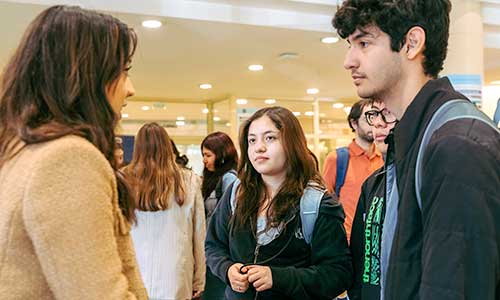
On 26 March, over 40 companies and institutions attended the 13th edition of the Careers UPT Job Fair, which combined professional opportunities with initiatives focused on developing employability skills. It was an opportunity for students, recent graduates, and employers to engage directly, allowing them to discover specific job and internship opportunities, as well as to initiate recruitment and selection processes. Alongside the exhibition component, the event included a series of sessions geared towards preparing for professional life, with a focus on the skills valued by the labour market, aiming to bridge the gap between academic education and professional practice. Topics covered included negotiating a first salary in the tech sector, identifying organisations that align with one’s career goals, and using tools such as Europass to showcase and communicate skills. The 13th edition of the Job Fair thus underscored skill development as a key driver of employability in today’s increasingly demanding and competitive labour market. Vídeo

Sustainability Week focused on people and the planet

From 20 to 24 April, Universidade Portucalense hosts the 4th Sustainability Week under the theme “Caring for People Is Caring for the Planet,” reinforcing its commitment to promoting more sustainable and inclusive practices. This year’s edition features a wide range of activities, combining moments of reflection, knowledge sharing, and practical initiatives. The programme begins on 20 April with the official opening session and the inauguration of the exhibition “Educar para Transformar (“Educating to Transform”), also featuring the presentation of the previous edition’s e-book. Throughout the week, lectures, workshops, debates, and a sustainable market are scheduled, with a special emphasis on Earth Day celebrations on 22 April. The topics under analysis include the carbon footprint, the use of technology, social inclusion, and responsible consumption practices, reflecting a cross-cutting approach to the different dimensions of sustainability. Students will also be actively involved in this event, through the presentation of projects and academic posters, thus strengthening the link between teaching and the practical application of sustainable development concepts. Cultural activities and community engagement moments, such as sustainable Olympics and book exchange initiatives, are also planned. The closing ceremony is set for 24 April, with the presentation of awards to the best initiatives carried out during the event.  

Portucalense to host II Latin Polar Science Workshop

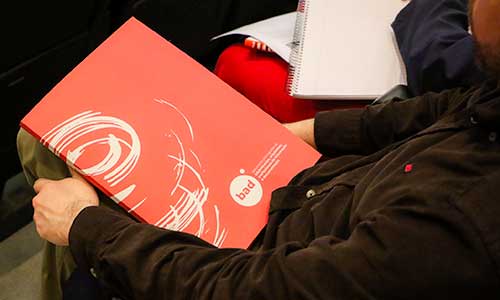
Researchers, policy makers, and experts from Latin America and Southern Europe will gather at Universidade Portucalense on 16 April for the II Latin Polar Science Workshop. This international meeting focuses on the impact of polar regions on global climate stability and the strengthening of Latin-European scientific cooperation in polar science. The programme includes debates on polar infrastructure, climate impacts, scientific diplomacy, Arctic governance, indigenous communities, maritime routes, sea life, and the interconnections between polar, oceanic, and climate systems, at a time when polar science is playing an increasingly pivotal role in shaping global public policy. Students and researchers have until 28 February to submit their papers.  To view event information and register, click here. Organization: Latin Polar Science, in a partnership with Instituto Jurídico Portucalense. POSTER  

European students gather at Universidade Portucalense

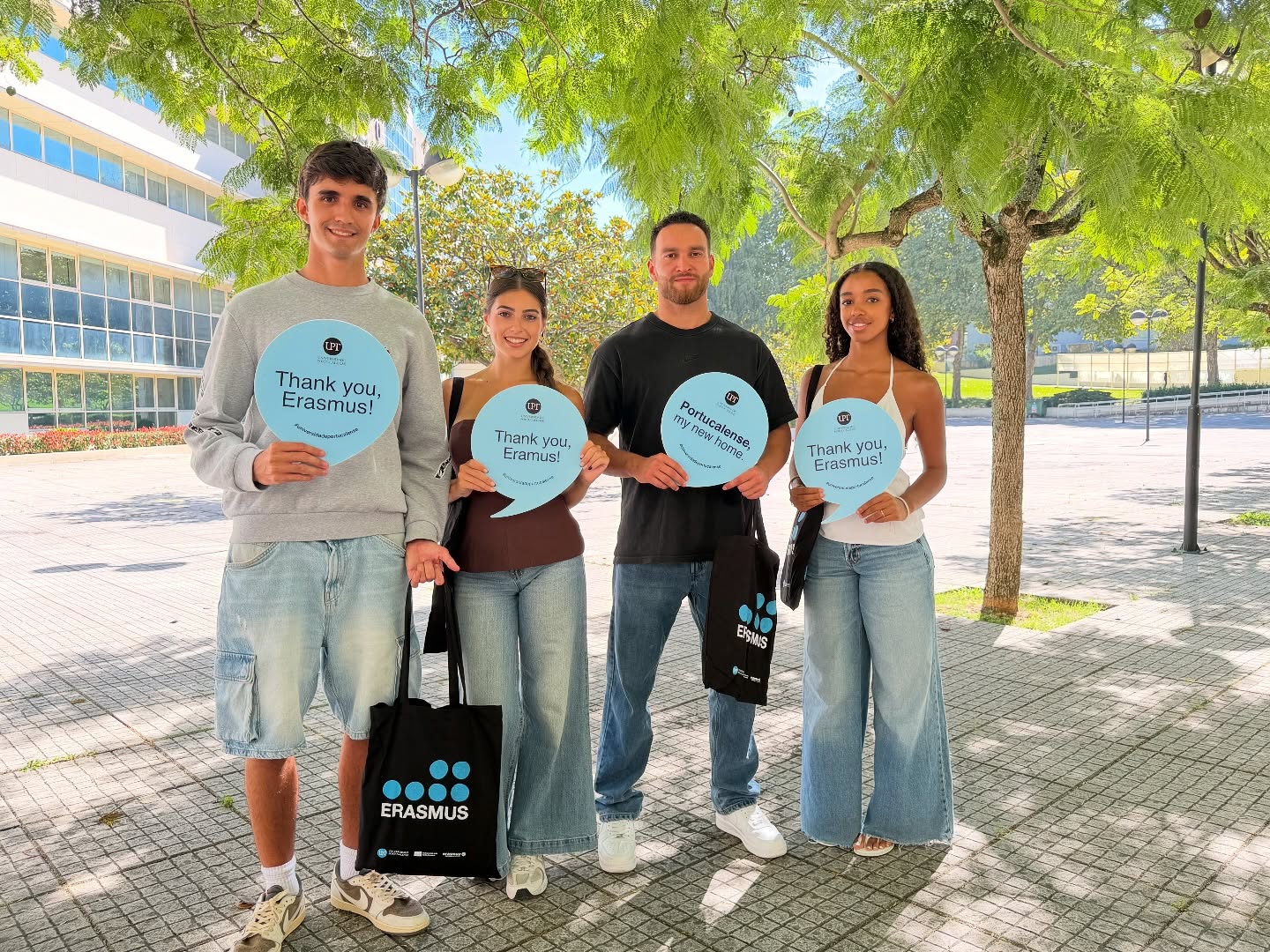
Universidade Portucalense welcomed students from Università di Parma (Italy), Estonian Business School (Estonia), and Grenoble École de Management (France) as part of the Blended Intensive Programme (BIP) on “International Sustainable Management: Business Planning and Reporting” between 24 and 28 November.

Legal research strengthens dialogue between academia and professional practice

The Instituto Jurídico Portucalense (IJP) reinforces its presence in legal scientific production with the launch of the book “Processos da Competência do Ministério Público e das Conservatórias do Registo Civil” (Processes under the Jurisdiction of the Public Prosecutor’s Office and Civil Registry Offices). Coordinated by Lurdes Varregoso Mesquita (IJP) and Rossana Martingo Cruz (JusGov), the publication presents an in-depth and applied reading of Decree-Law No. 272/2001, establishing itself as a relevant scientific contribution to understanding and improving the work of the Civil Registry Offices and the Public Prosecutor’s Office. The work brings together contributions from various experts and offers a practical, critical, and up-to-date analysis of the challenges faced by public institutions, reinforcing the importance of a constant dialogue between academic research and legal practice.

New academic and scientific cycle

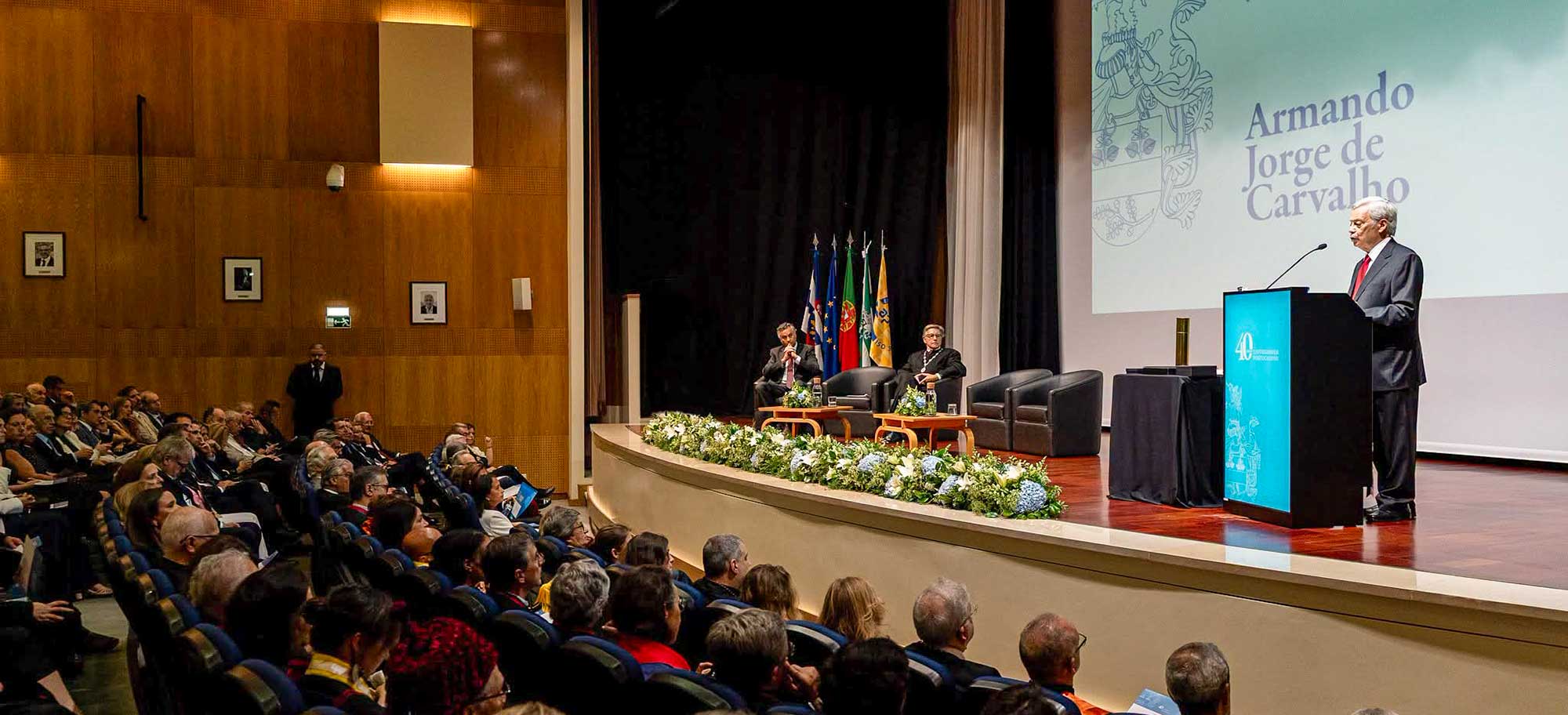
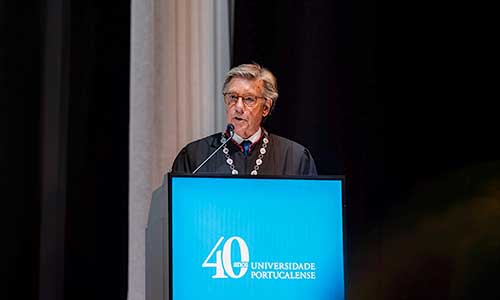
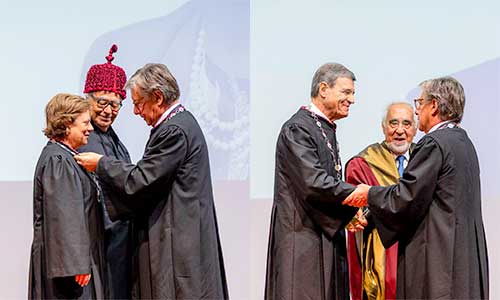
On 7 November, Universidade Portucalense began a new cycle of academic and scientific leadership with the inauguration of the Rectorate and the Directorates of the Departments and Research Units. The ceremony was presided over by the Chair of the Board of Directors, Armando Jorge de Carvalho, and it marked the start of a four-year term focused on strengthening institutional strategy, promoting research, and affirming the University’s position in the higher education landscape. The Rectorate took office, led by Rector Fernando Ramos, Vice-Rector for Education, Elizabeth Real, and Vice-Rector for Research, Jorge Leite. The Department Directors took office as follows: Fernanda Rebelo (Law), João Carvalho (Economics and Management), Paulo Morais (Science and Technology), Isabel Freitas (Tourism and Cultural Heritage), Alexandra Araújo (Psychology and Education), and Mariana Correia (Architecture and Multimedia Gallaecia). For the research units, Maria Manuela Magalhães was appointed to the Instituto Jurídico Portucalense (IJP); Luís Pacheco to REMIT – Research on Economics, Management and Information Technologies; and Óscar Gonçalves to CINTESIS.UPT – Centre for Research in Health Technologies and Services (UPT Hub).  During the event, Armando Jorge de Carvalho emphasised that “this new management cycle involves new challenges and new undertakings” but he also stressed that it is equally “important to know how to maintain or even improve everything that has been achieved so far,” valuing the University’s growth and development in recent years. He went on to emphasise that “in the short term, the priority is to strengthen the internationalisation of research, promote the development of new doctoral programmes while consolidating existing ones, as well as reassess the study programmes offered in light of a new paradigm and emerging trends.” He added that the reformulation of the internationalisation policy, adjusted to new realities, could lead to a restructuring and strengthening of the internal organisation itself. Armando Jorge de Carvalho emphasised the importance of “believing in the future, cultivating trust, and focusing energies on what is truly important for Portucalense, promoting a culture based on collaboration, dialogue, and internal cohesion.” In his speech, Rector Fernando Ramos presented the six principles that will guide the new term of office.  Internal cohesion was identified as the foundation for uniting efforts, strengthening teams, and ensuring continuity in institutional development. Sustainability emerges as a strategic condition for ensuring the long-term sustainability of the University. Anticipation was referred to as an essential requirement for preparing for the future, requiring vision, timely planning, and the involvement of the entire academic community. Transparency was presented as the basis for clear governance, capable of generating trust and promoting adherence to the decisions taken. Differentiation plays a decisive role in affirming the University’s identity in an increasingly competitive environment. Finally, an interdisciplinary approach is considered an indispensable path to responding to today’s complexity, driving pedagogical, scientific, and social innovation.    

Scroll to top