
Job Fair boosts skills for labour market access
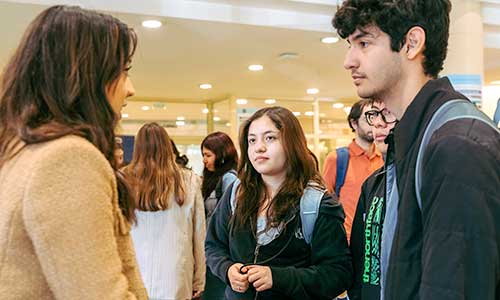
On 26 March, over 40 companies and institutions attended the 13th edition of the Careers UPT Job Fair, which combined professional opportunities with initiatives focused on developing employability skills. It was an opportunity for students, recent graduates, and employers to engage directly, allowing them to discover specific job and internship opportunities, as well as to initiate recruitment and selection processes. Alongside the exhibition component, the event included a series of sessions geared towards preparing for professional life, with a focus on the skills valued by the labour market, aiming to bridge the gap between academic education and professional practice. Topics covered included negotiating a first salary in the tech sector, identifying organisations that align with one’s career goals, and using tools such as Europass to showcase and communicate skills. The 13th edition of the Job Fair thus underscored skill development as a key driver of employability in today’s increasingly demanding and competitive labour market. Vídeo

Sustainability Week focused on people and the planet
From 20 to 24 April, Universidade Portucalense hosts the 4th Sustainability Week under the theme “Caring for People Is Caring for the Planet,” reinforcing its commitment to promoting more sustainable and inclusive practices. This year’s edition features a wide range of activities, combining moments of reflection, knowledge sharing, and practical initiatives. The programme begins on 20 April with the official opening session and the inauguration of the exhibition “Educar para Transformar (“Educating to Transform”), also featuring the presentation of the previous edition’s e-book. Throughout the week, lectures, workshops, debates, and a sustainable market are scheduled, with a special emphasis on Earth Day celebrations on 22 April. The topics under analysis include the carbon footprint, the use of technology, social inclusion, and responsible consumption practices, reflecting a cross-cutting approach to the different dimensions of sustainability. Students will also be actively involved in this event, through the presentation of projects and academic posters, thus strengthening the link between teaching and the practical application of sustainable development concepts. Cultural activities and community engagement moments, such as sustainable Olympics and book exchange initiatives, are also planned. The closing ceremony is set for 24 April, with the presentation of awards to the best initiatives carried out during the event.
Applications open for international students
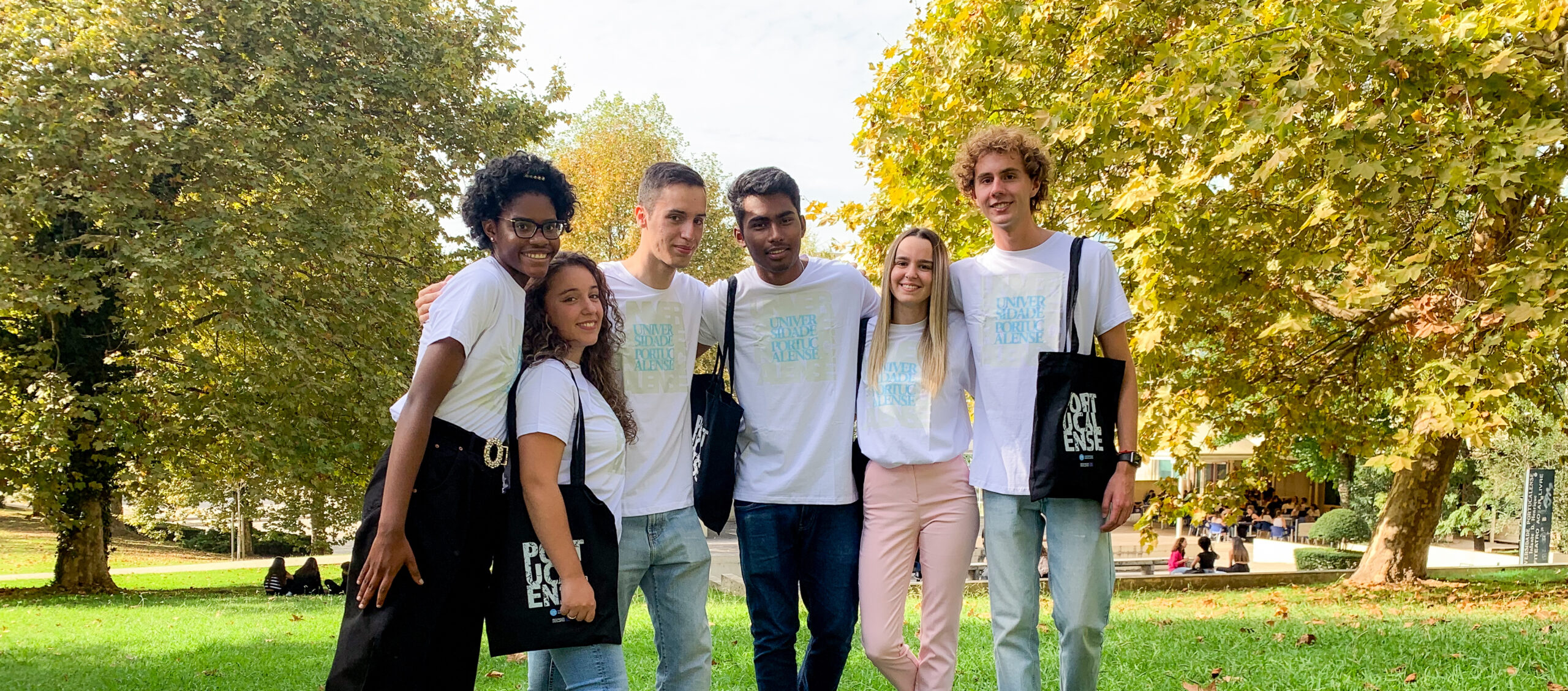
The 2nd phase of applications for International Students to first-cycle degree programmes (bachelor’s degrees) runs until 24 April for the 2026–2027 academic year. Universidade Portucalense, located in Porto, offers 16 bachelor’s degree programmes, distributed across strategic areas and with high employability. Study Programmes Architecture and Urbanism; Law; Legal Services; International Relations; Economics; Management; Health Management and Administration; Marketing; Computer Engineering; Industrial Engineering and Management; Information Systems for Management; Psychology; Social Education; Tourism; Hospitality Management; Multimedia and Arts. Study Programmes Studying in Porto Located on the Asprela university campus, Porto’s most important academic area, the University benefits from a cosmopolitan environment and excellent transport links, with the Metro (subway/underground) and STCP buses on its doorstep, facilitating students’ daily mobility. Infrastructure and services Universidade Portucalense features modern and functional facilities geared towards academic success: equipped lecture halls and auditoriums, library, computer labs with 24-hour access, gardens, terraces, a cafeteria, and a canteen. Applications Open Places are limited. Submitting your application in the first phase is crucial to securing a place on your desired course. Applications

Doctoral Programmes: Applications Open
Universidade Portucalense has opened the second phase of applications for its doctoral programmes for 2026/2027 academic year, running from May 11 to September 11. Doctoral programme in Business Sciences Doctoral programme in Legal Sciences Doctoral Programme in Clinical Psychology and Counselling Doctorate in Translational Psychology The doctoral programmes are aimed at Master’s graduates and professionals who wish to deepen their research skills, scientific output, and specialised intervention, with direct application to organisational, legal, and clinical contexts. The PhD programmes in Legal Sciences and in Clinical and Psychology Counselling each offer three full tuition fee waiver scholarships, awarded to the applicants with the highest overall merit, in accordance with the criteria established in the respective programme regulations.

Researchers debate urban justice and housing
On 6 March, from 2.30 p.m. to 5 p.m., Portuguese and Spanish researchers will analyse the challenges facing cities, namely public housing policies and socio-spatial inequality, at the seminar “Urban Justice and Public Housing Policies”. Roberto Goycoolea (University of Alcalá) addresses the topic “El concepto de justicia urbana: una mirada radical de la ciudad,” sharing a theoretical reflection on the role of urban justice in understanding urban social and spatial dynamics. Paz Nuñez (University of Alcalá) presents “La ciudad justa madrileña: evaluación bajo el enfoque de capacidades,” analysing the reality of Madrid in light of the capabilities approach and effective access to urban opportunities. The programme continues with contributions focused on the Portuguese reality. Bernardo Amaral (Universidade Portucalense) poses the question: “Housing for the greatest number: how to boost social housing production in Portugal?” discussing the instruments and strategies aimed at expanding the housing supply. To conclude the presentations, David Viana (Universidade Portucalense) shares “The Matosinhos Municipal Housing Charter and habitat empowerment,” reflecting on the link between local policies and the enhancement of inhabited territory. The exhibition opening for “Urban justice and public housing policies in Madrid. An analysis of the capabilities approach” will take place at 2 pm. The work was developed by the URBS research group (Consejo Superior de Investigaciones Científicas) and the University of Alcalá, as part of the research project “Proyecto URBS. The fair city. Exclusion, belonging, and common goods from an urban perspective of justice.”
Volunteering Fair
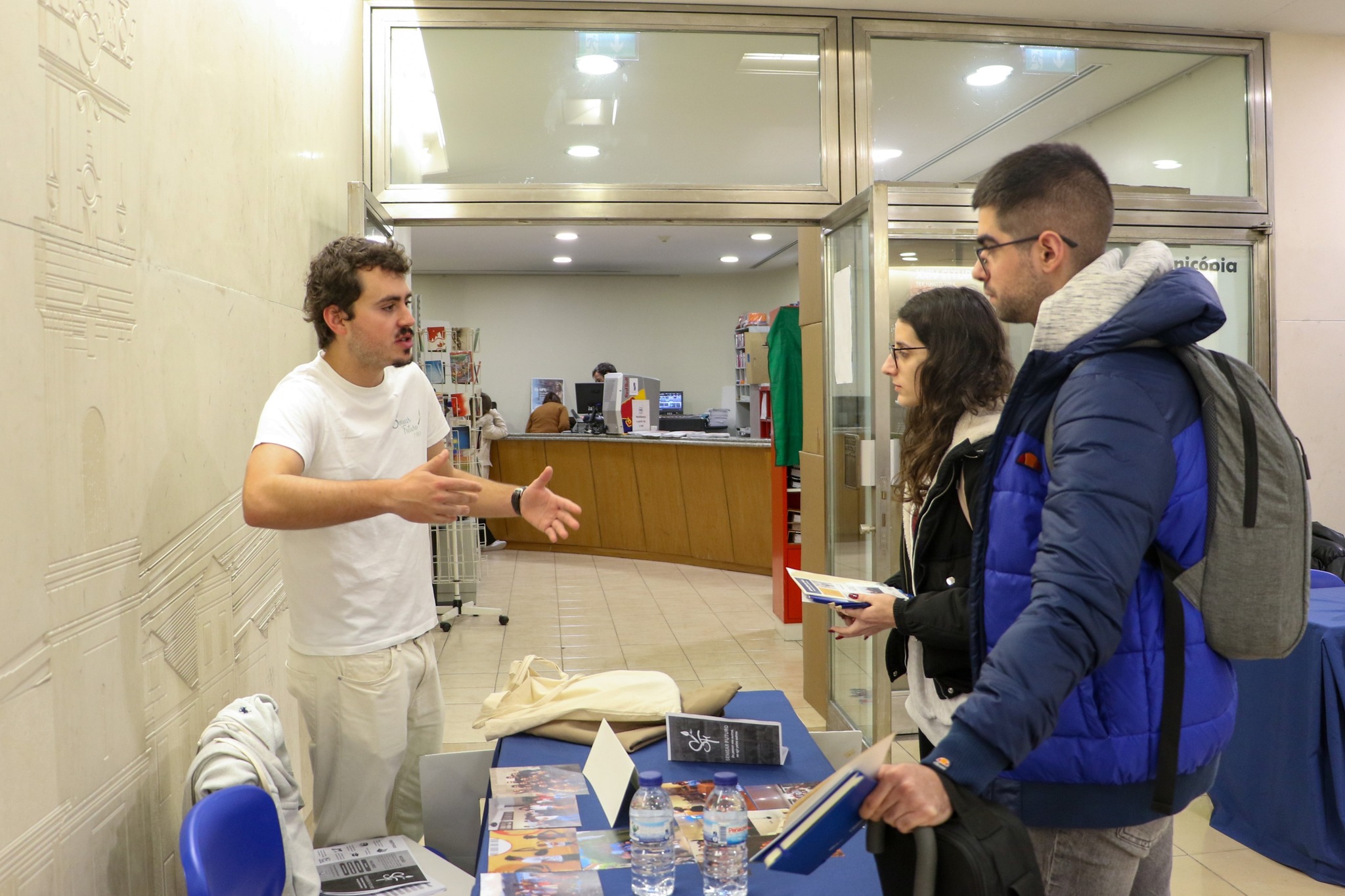
Universidade Portucalense will hold a Volunteering Fair for students, faculty, and staff on 26 February, between 11am and 4pm, at Passos Perdidos. The initiative will showcase charitable programmes and projects that the academic community can get involved in as volunteers, providing direct contact with organisations working in different areas of social intervention. In addition to presenting volunteering opportunities, the event will include a Solidarity Market to support social causes through the sale of goods and raise awareness of different social realities. The Student Support Office and the Law and International Relations Student Nucleus organize the Fair.

Debate on misinformation and inequalities
Universidade Portucalense marks World Social Justice Day on 25 February with a round table discussion entitled “Narratives that Exclude – Fake News, Dehumanisation, and Challenges to Social Justice,” at 11am in auditorium 201. The meeting proposes a critical reflection on the role of misinformation in the production and reproduction of social inequalities. The circulation of false, biased or manipulated content has had a particularly serious impact on vulnerable groups, influencing public perceptions, political decisions, and social inclusion dynamics. Based on concrete examples and contributions from the fields of Social Sciences, Psychology, and Communication, the mechanisms of production and dissemination of misinformation will be analysed, as well as its social and human impacts. The debate will be moderated by Elsa Guedes Teixeira, coordinator of the Bachelor’s degree in Social Education, and will feature Ana Tulha, journalist at Notícias Magazine; Isabel Rocha Pinto, associate professor at the Faculty of Psychology and Educational Sciences of the University of Porto; and Maria José Vicente, sociologist and national coordinator of the European Anti-Poverty Network. Organization: Cultura@Portucalense and Department of Psychology and Education. Registration Poster

Master’s Programmes: Applications Open
Applications (2nd phase) for Master’s degree programmes at Universidade Portucalense for the 2026–2027 academic year will be accepted between 3 june and 16 July. Located in Porto, one of Europe’s most dynamic, innovative, and attractive cities, Universidade Portucalense offers 14 master’s degree programmes in various scientific fields, designed for students and professionals seeking new knowledge, advanced specialisation, career progression, and direct contact with the job market. Practice-and market-oriented education The master’s programmes stand out for: Highly qualified teaching staff, with strong ties to research and professional practice; Up-to-date curricula, aligned with international standards; Close links with the corporate world to boost networking and career prospects; Research with international impact integrated into the study programmes. State-of-the-art facilities in the heart of Porto Universidade Portucalense’s campus features modern and functional facilities tailored to support teaching, research, and academic life: Classrooms equipped with learning support technology; Up-to-date library and specialised digital resources; Spaces for studying, socialising, and collaborative work; Strategic location, with easy access to transport, services, and businesses in Porto. Studying in Porto means benefiting from a dynamic academic, cultural, and business ecosystem, with real opportunities for personal and professional development. Further information on applications, master’s degree programmes, and admission requirements here.
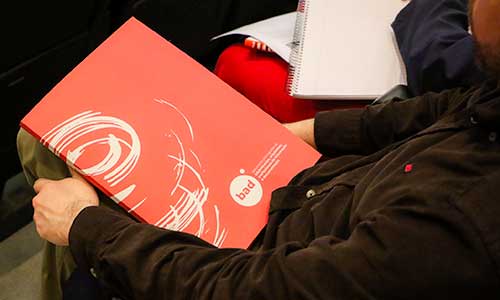
Universidade Portucalense to host the 15th BAD Congress
Universidade Portucalense will host the 15th BAD Congress (Librarians, Archivists, Information and Documentation Professionals), taking place from 17 to 19 June.