Applications open for international students
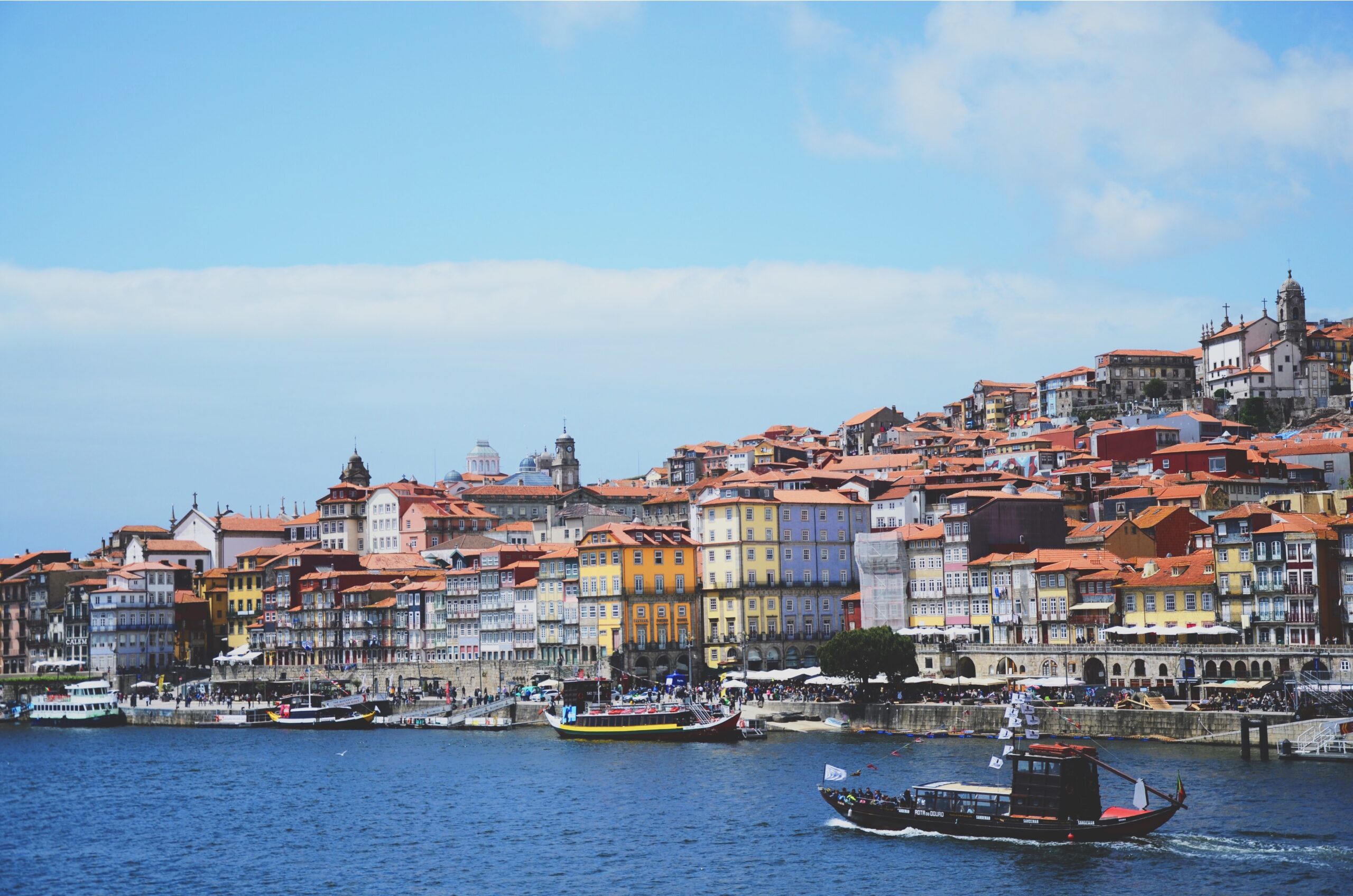
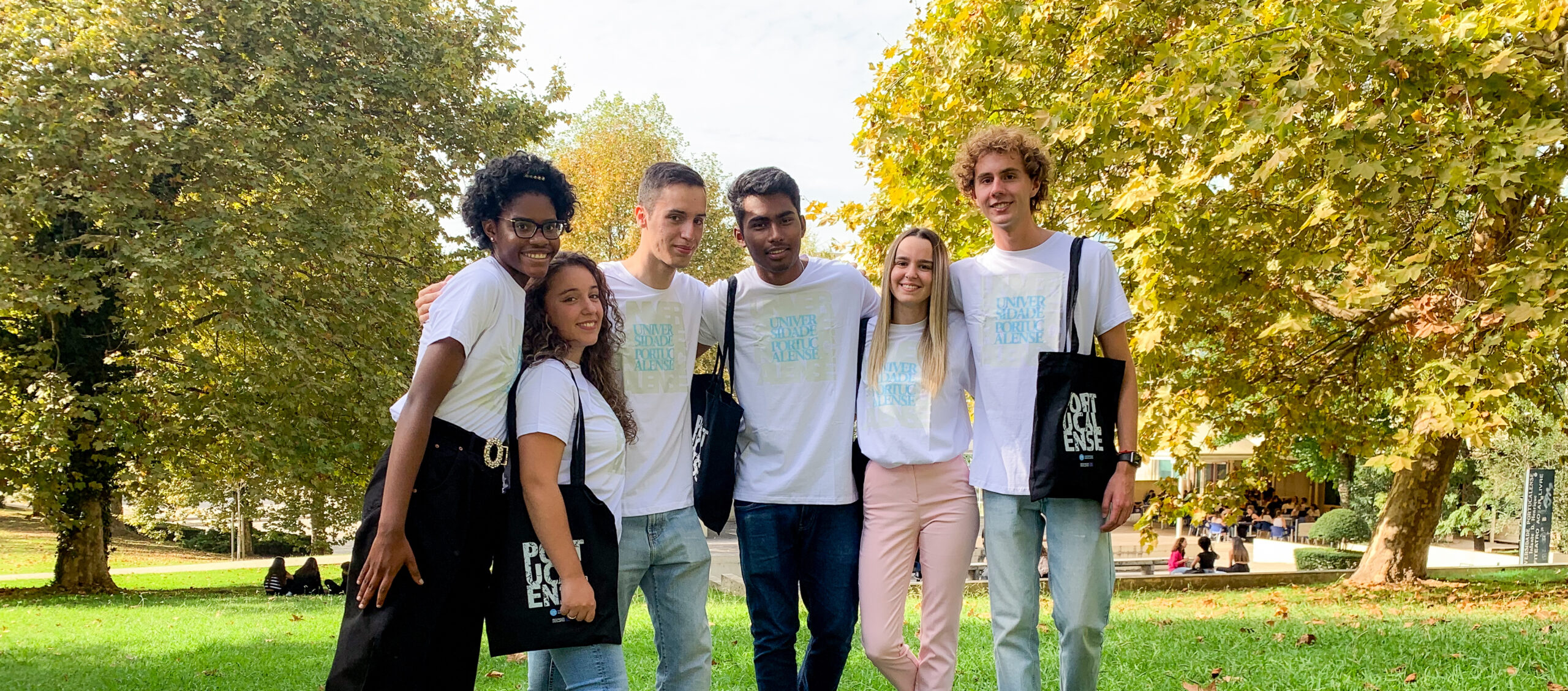
The 2nd phase of applications for International Students to first-cycle degree programmes (bachelor’s degrees) runs until 24 April for the 2026–2027 academic year. Universidade Portucalense, located in Porto, offers 16 bachelor’s degree programmes, distributed across strategic areas and with high employability. Study Programmes Architecture and Urbanism; Law; Legal Services; International Relations; Economics; Management; Health Management and Administration; Marketing; Computer Engineering; Industrial Engineering and Management; Information Systems for Management; Psychology; Social Education; Tourism; Hospitality Management; Multimedia and Arts. Study Programmes Studying in Porto Located on the Asprela university campus, Porto’s most important academic area, the University benefits from a cosmopolitan environment and excellent transport links, with the Metro (subway/underground) and STCP buses on its doorstep, facilitating students’ daily mobility. Infrastructure and services Universidade Portucalense features modern and functional facilities geared towards academic success: equipped lecture halls and auditoriums, library, computer labs with 24-hour access, gardens, terraces, a cafeteria, and a canteen. Applications Open Places are limited. Submitting your application in the first phase is crucial to securing a place on your desired course. Applications
Researchers debate urban justice and housing
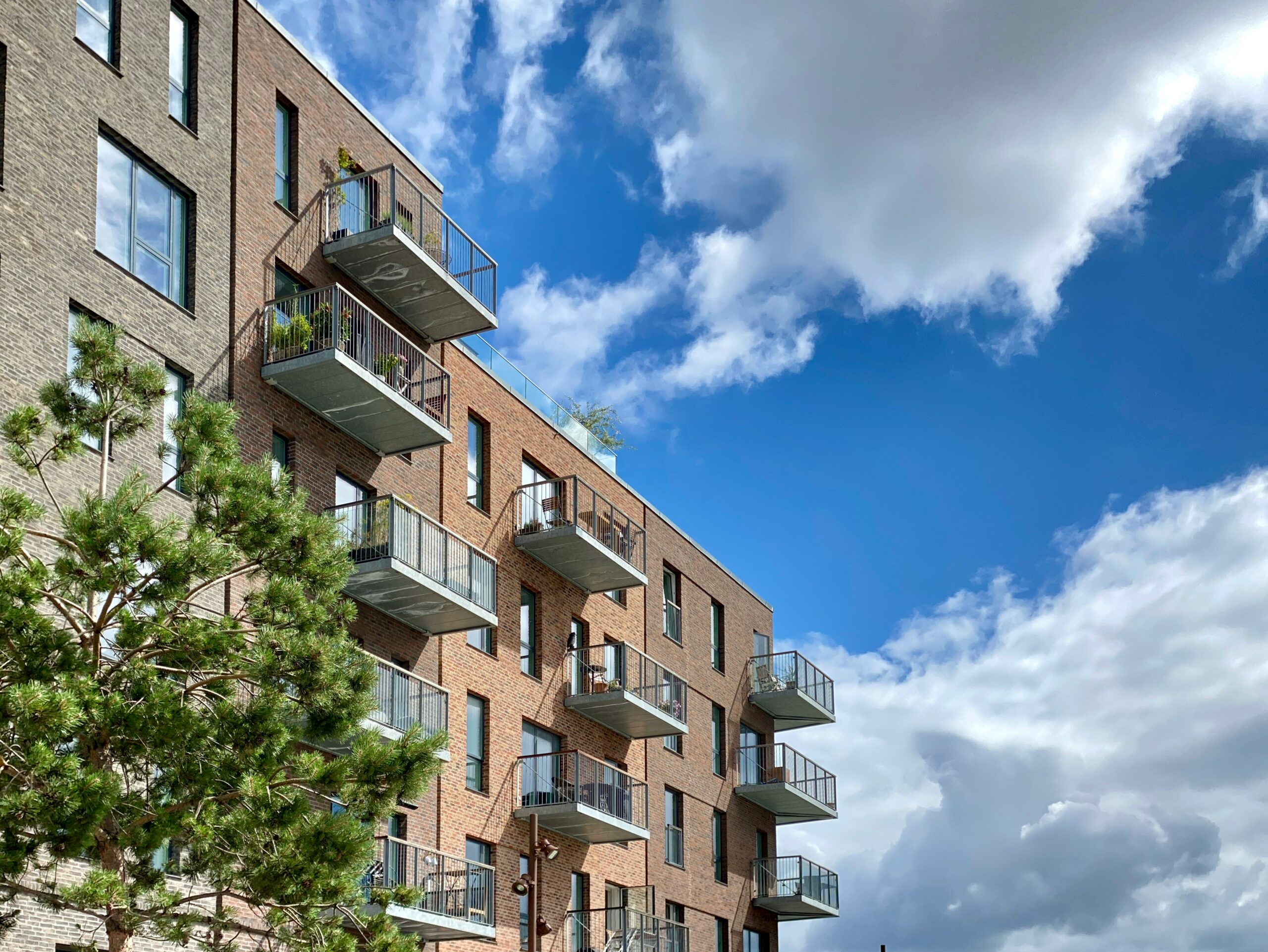
On 6 March, from 2.30 p.m. to 5 p.m., Portuguese and Spanish researchers will analyse the challenges facing cities, namely public housing policies and socio-spatial inequality, at the seminar “Urban Justice and Public Housing Policies”. Roberto Goycoolea (University of Alcalá) addresses the topic “El concepto de justicia urbana: una mirada radical de la ciudad,” sharing a theoretical reflection on the role of urban justice in understanding urban social and spatial dynamics. Paz Nuñez (University of Alcalá) presents “La ciudad justa madrileña: evaluación bajo el enfoque de capacidades,” analysing the reality of Madrid in light of the capabilities approach and effective access to urban opportunities. The programme continues with contributions focused on the Portuguese reality. Bernardo Amaral (Universidade Portucalense) poses the question: “Housing for the greatest number: how to boost social housing production in Portugal?” discussing the instruments and strategies aimed at expanding the housing supply. To conclude the presentations, David Viana (Universidade Portucalense) shares “The Matosinhos Municipal Housing Charter and habitat empowerment,” reflecting on the link between local policies and the enhancement of inhabited territory. The exhibition opening for “Urban justice and public housing policies in Madrid. An analysis of the capabilities approach” will take place at 2 pm. The work was developed by the URBS research group (Consejo Superior de Investigaciones Científicas) and the University of Alcalá, as part of the research project “Proyecto URBS. The fair city. Exclusion, belonging, and common goods from an urban perspective of justice.”
Volunteering Fair
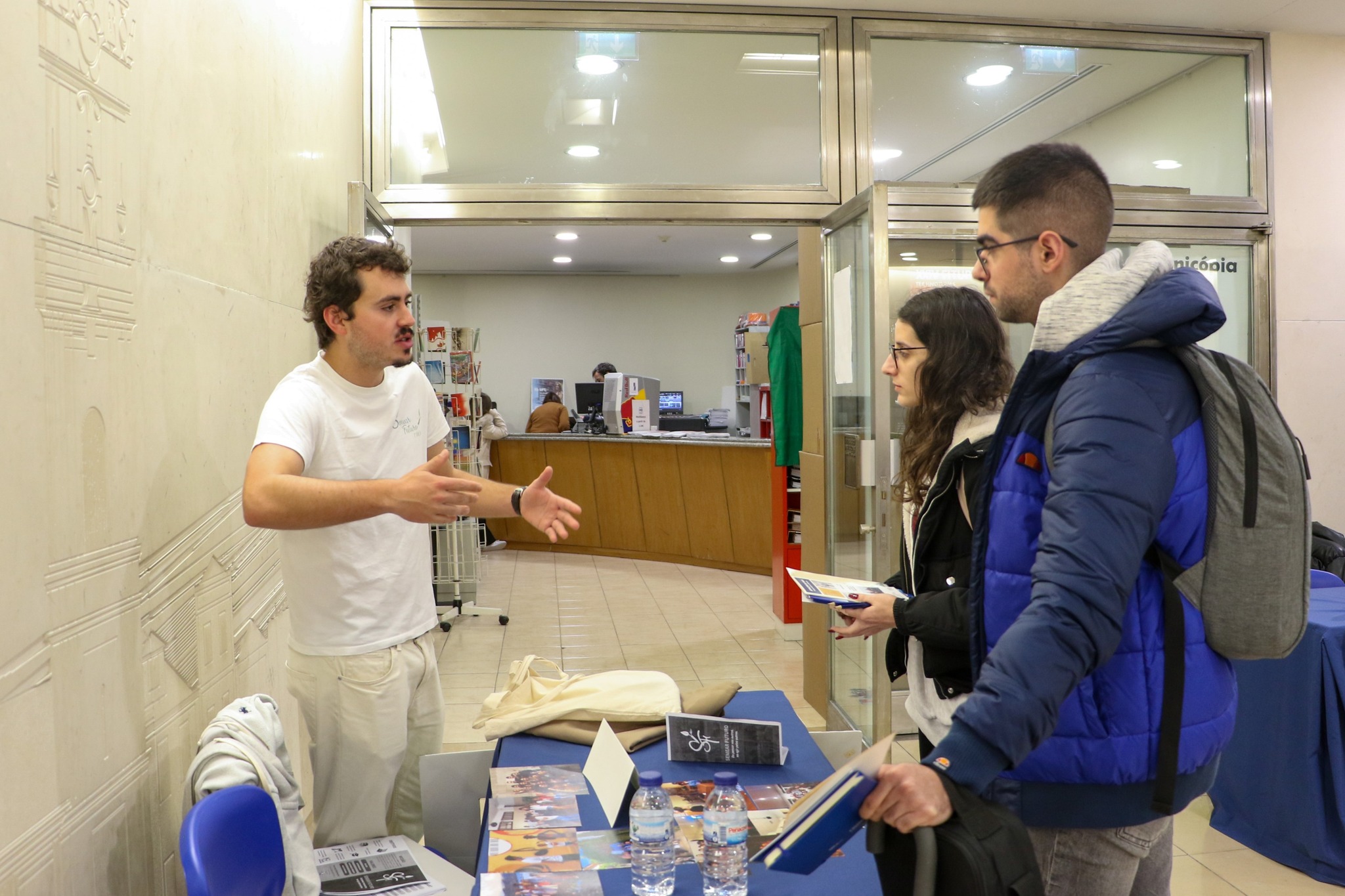
Universidade Portucalense will hold a Volunteering Fair for students, faculty, and staff on 26 February, between 11am and 4pm, at Passos Perdidos. The initiative will showcase charitable programmes and projects that the academic community can get involved in as volunteers, providing direct contact with organisations working in different areas of social intervention. In addition to presenting volunteering opportunities, the event will include a Solidarity Market to support social causes through the sale of goods and raise awareness of different social realities. The Student Support Office and the Law and International Relations Student Nucleus organize the Fair.

Debate on misinformation and inequalities
Universidade Portucalense marks World Social Justice Day on 25 February with a round table discussion entitled “Narratives that Exclude – Fake News, Dehumanisation, and Challenges to Social Justice,” at 11am in auditorium 201. The meeting proposes a critical reflection on the role of misinformation in the production and reproduction of social inequalities. The circulation of false, biased or manipulated content has had a particularly serious impact on vulnerable groups, influencing public perceptions, political decisions, and social inclusion dynamics. Based on concrete examples and contributions from the fields of Social Sciences, Psychology, and Communication, the mechanisms of production and dissemination of misinformation will be analysed, as well as its social and human impacts. The debate will be moderated by Elsa Guedes Teixeira, coordinator of the Bachelor’s degree in Social Education, and will feature Ana Tulha, journalist at Notícias Magazine; Isabel Rocha Pinto, associate professor at the Faculty of Psychology and Educational Sciences of the University of Porto; and Maria José Vicente, sociologist and national coordinator of the European Anti-Poverty Network. Organization: Cultura@Portucalense and Department of Psychology and Education. Registration Poster
Digital surveying technologies in architecture, urban planning, and heritage
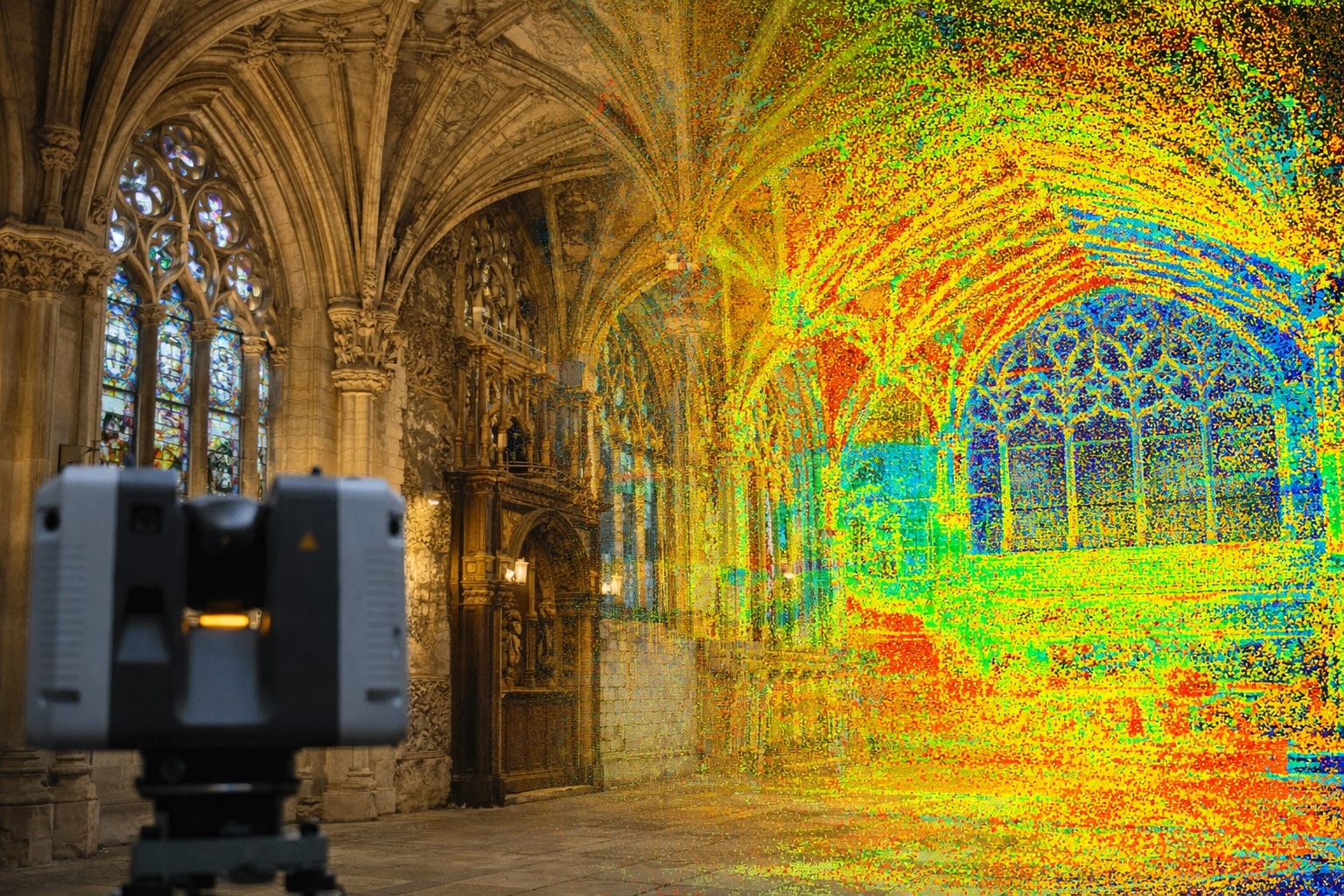
On 13 February, Universidade Portucalense will host the seminar “Digital surveying technologies in architecture, urban planning, and heritage.” The event aims to deepen and disseminate the application of advanced digital capture and modelling methods in academic and professional settings.

Season’s Greetings
Portucalense University wishes you a Merry Christmas and a Happy New Year.
The challenges facing the wine sector
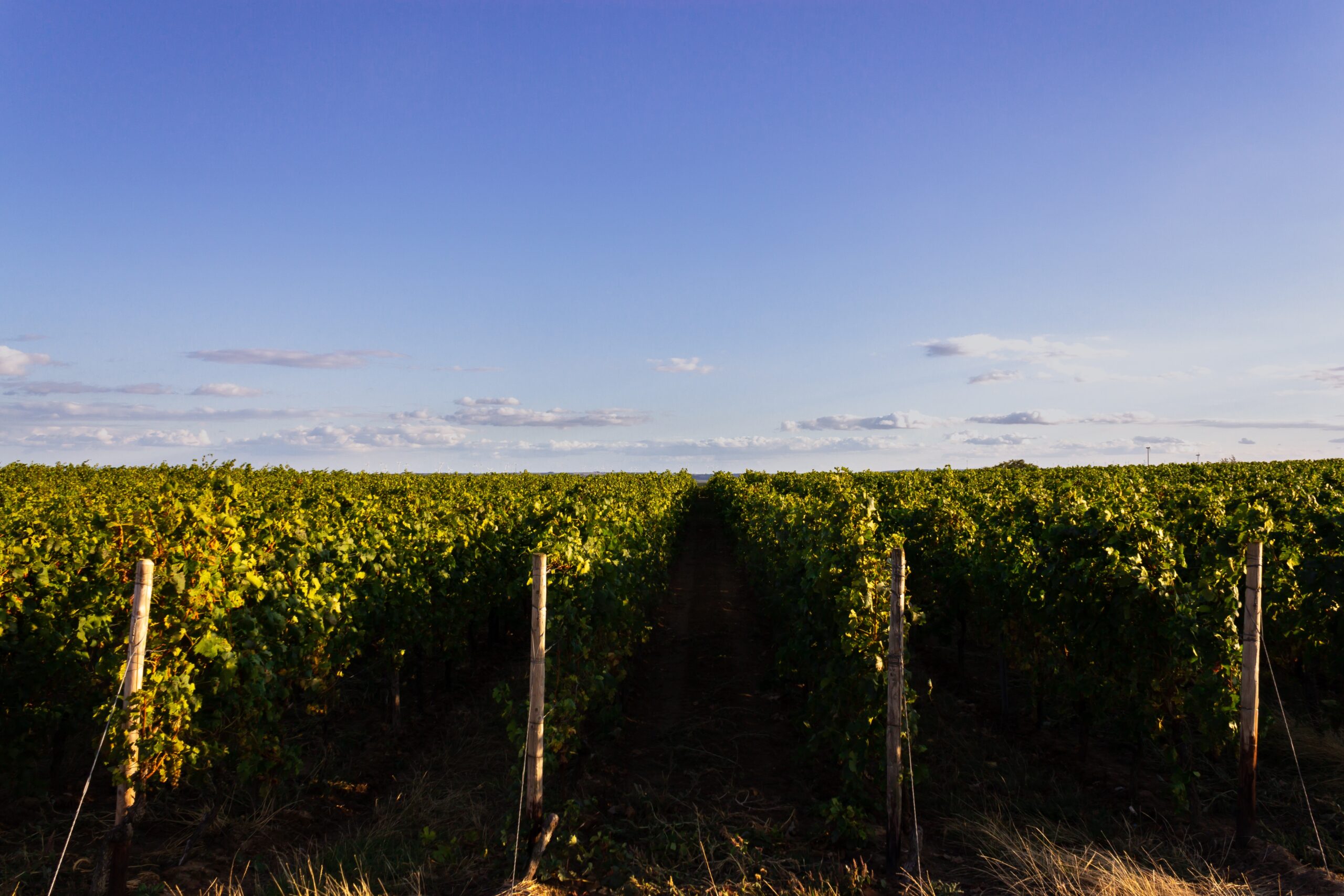
On 16 December, at 2.30 p.m., Universidade Portucalense will host the conference “Is the Portuguese wine sector prepared to face the challenges of the future?”. Marking the 50th anniversary of ANCEVE, the event invites key stakeholders to discuss this rapidly changing industry. The round table will feature Luís Filipe Cardoso Lourenço (ASAE), Francisco Toscano Rico (IVV), Helena Freitas (University of Coimbra), Luís Sequeira (CVRA), Pedro Soares (CVR Bairrada), José Luís Santos Lima Oliveira da Silva (Casa Santos Lima), and Bebiana Monteiro (ESEIG). The discussion will be moderated by António Freitas de Sousa, from Jornal Económico. The event will also feature a speech on geopolitics by Ambassador António Martins da Cruz. At a particularly challenging time for the sector, the conference will reflect on changes in consumer habits, the growing importance of wine tourism, the effects of climate change, and supervision demands.

Digital Media Arts
Applications for the Short Master’s in Digital Media Arts are now open and will remain so until 30 January 2026. The programme was designed to respond to the new dynamics of the creative sector, enhancing convergence between art, technology, and digital innovation. The programme explores the potential of new media and emerging technologies, providing a theoretical foundation alongside a robust practical component. Participants will have the opportunity to develop personal projects – experimental, artistic, or market-oriented – benefiting from applied learning aligned with the current demands of the digital ecosystem. The Short Master’s is strategically positioned for professionals and creators seeking to strengthen their skills and expand their portfolio in a scenario marked by technological transformation. Applications
Sustainable Urban Mobility
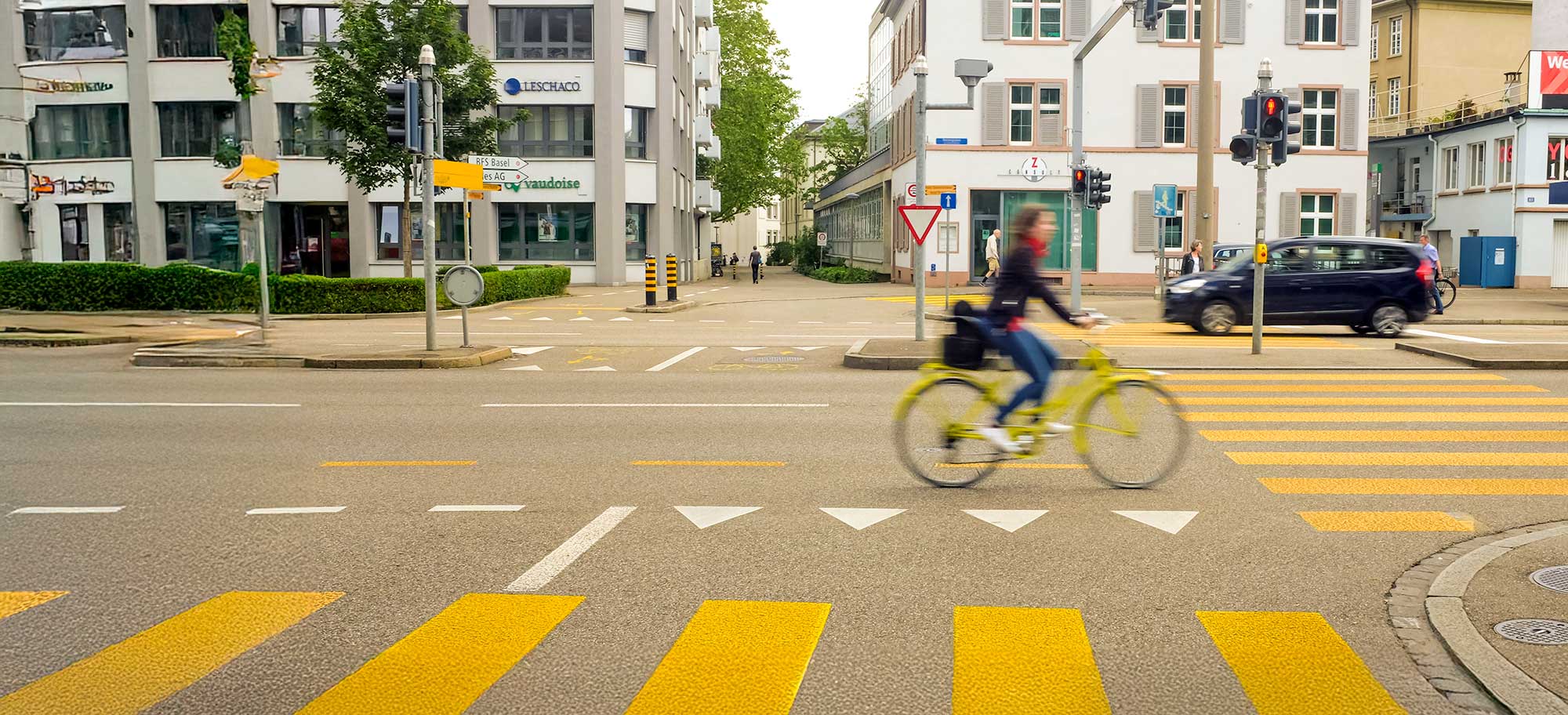
Enrolment is now open for the Short Master’s in Sustainable Urban Mobility, an advanced training programme designed to equip professionals with the tools to respond to the current challenges in urban planning. In a context of growing environmental pressure and the need to adapt to climate change, this course offers a practical and strategic approach to developing more resilient cities. Mobility is emerging as a key indicator for reducing emissions and improving urban quality of life, demanding new regulation and management methods. The programme highlights the importance of reducing dependence on cars and promoting more sustainable modes of transport, linked to land use policies that prevent urban sprawl and emphasise proximity between functions. It also integrates topics such as urban design oriented towards the human scale, community participation, and the creation of ecological corridors that reinforce public space connectivity. This Short Master’s aims to respond to this reality and prepare participants to develop integrated solutions that improve mobility, enhance universal accessibility, and promote more efficient urban management. Applications will be accepted until 05 June 2026 and are divided into two phases: phase 1 from 12 November to 10 January and phase 2 from 11 January to 28 February.